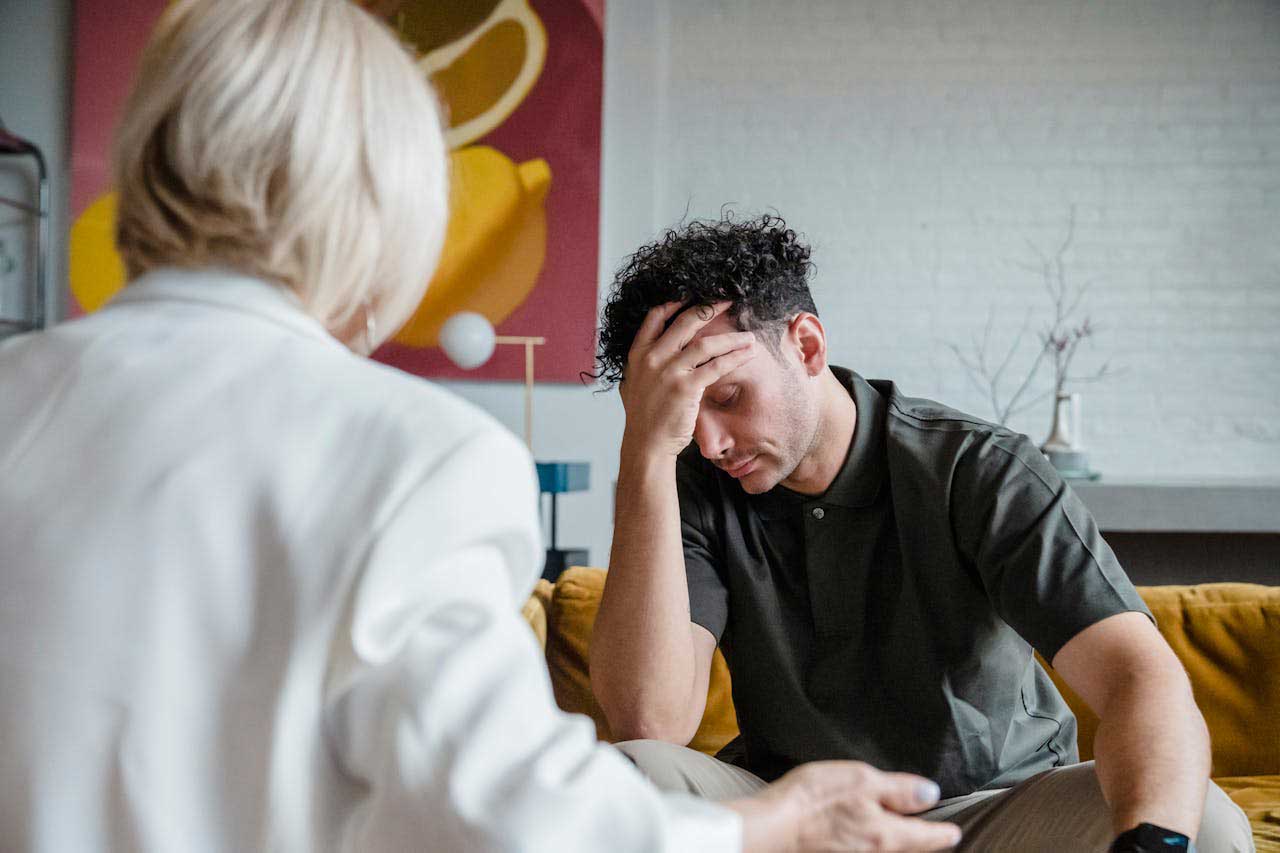

Many clinicians shy away from couples or marriage counseling, and honestly, I get it. Couples work is hard. You’re not just supporting one person with one history and one set of emotions, you’re working with two individuals, each with their own needs, wounds, and expectations, trying to create a healthy union.
You’re navigating everything from:
- Communication styles
- Emotional intelligence
- Decision-making approaches
- Parenting philosophies
- Sleep patterns, eating habits
- Religious or cultural beliefs
Love brings people together, but love alone doesn’t solve the challenges of merging two lives. Often, when couples come in, they’re still wearing rose-colored glasses, caught up in the idea of love, but not prepared for the real work it takes to maintain a relationship.
Why Individual Therapy Still Matters
When a couple seeks help, one of the first questions I always ask is:
“Have either of you done individual therapy?”
If the answer is no, I often recommend that each partner begin individual work in addition to (or even before) diving into couples counseling. Why? Because if you skip this step, you may find yourself not just helping the couple communicate, but also teaching each person how to regulate their emotions, express their needs, and work through past trauma.
Without individual therapy we often see:
- Emotions get projected onto the partner
- Old wounds from childhood show up in current conflicts
- Sessions become about defensiveness, not understanding
- Unrealistic expectations form, like believing your partner is supposed to “heal” you
Couples therapy can quickly turn into a battlefield of unmet needs, instead of a place for shared growth, unless both individuals are doing their own emotional work first.
A Healthier Path: Parallel Growth
Encourage your couples to see therapy not just as something they do together, but something they do for themselves, too. Both partners should engage in individual therapy to work on personal issues, then, come together in couples therapy to grow as a unit
Even while in couples counseling, individual therapy should continue. It helps address triggers, unpack baggage, and support the emotional regulation needed to communicate effectively. It also helps couples come to therapy less reactive, more self-aware, and better able to show up fully for their relationship.
When both individuals do the internal work, the therapist no longer has to play referee. Instead, the therapist becomes a facilitator, helping two emotionally grounded people build something stronger, together.
Couples therapy works best when it’s a partnership of three: partner one, partner two, and their individual growth journeys. The goal is not to “fix each other” but to understand yourself well enough that you can love the other person with clarity, intention, and respect.