
A Guide for Clinicians Supporting Couples with Care and Balance
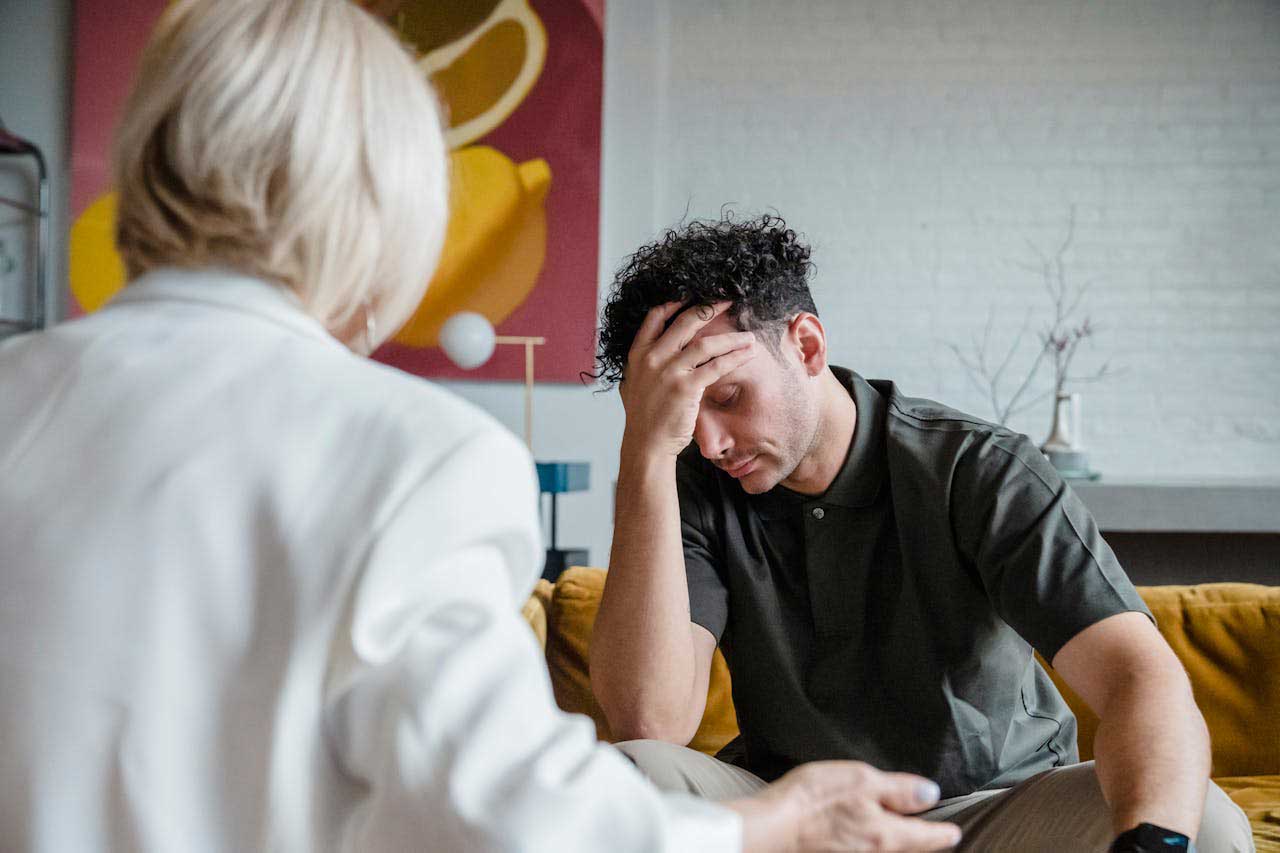
One of the biggest reasons couples are hesitant to begin marriage counseling is the fear of being blamed or feeling like the therapist might take sides. When we step into the role of supporting couples, it’s essential that we, as clinicians, understand and validate that fear. Many couples are already feeling raw, vulnerable, and uncertain when they choose to engage in therapy.
Whether you’re using the Gottman Method, Emotionally Focused Therapy, or another evidence-based approach, one of the most important foundations in couples therapy is balance. We must ensure that each person feels equally seen, heard, and valued in the therapeutic space. If one partner brings up a concern, it’s important to invite the other partner to do the same. Our role isn’t to “fix” one person or point fingers; it’s to mediate, guide, and create a space where both people feel empowered to share and grow.
Start Strong: Setting Boundaries and Expectations from Day One
Marriage counseling can be intense. As a clinician, you’re navigating two different emotional worlds, histories, and communication styles sometimes in one 50-minute session. This is why it’s critical to set expectations and boundaries from the start.
Let couples know how sessions will flow, what respectful communication looks like in therapy, and that shouting, cursing, or interrupting won’t be productive. If you don’t set these ground rules early on, you risk turning into a referee rather than a therapeutic guide and that isn’t helpful for anyone.
Therapy should be a safe space, where each person can express what they’ve held in, sometimes for years, without fear of emotional abandonment. It’s not uncommon for couples to share things during counseling they’ve never said aloud before. Our job is to help ensure those truths come out with intention, not resentment.
Teach your couples how to use “I” statements, how to express needs without blame, and how to listen with curiosity instead of defensiveness. When done well, marriage counseling can become the only place where two people truly slow down enough to connect, reflect, and begin healing old wounds together.
Keep this in mind
Marriage counseling doesn’t have to feel overwhelming, for the couple or the therapist. With intentional structure, empathy, and a commitment to balance, you can create a powerful and healthy counseling experience that helps couples not just survive together, but grow together.
As therapists it’s important to keep this in mind whenever we are working with couples as our goal is to be “positive stop” on their journey towards a successful relationship.